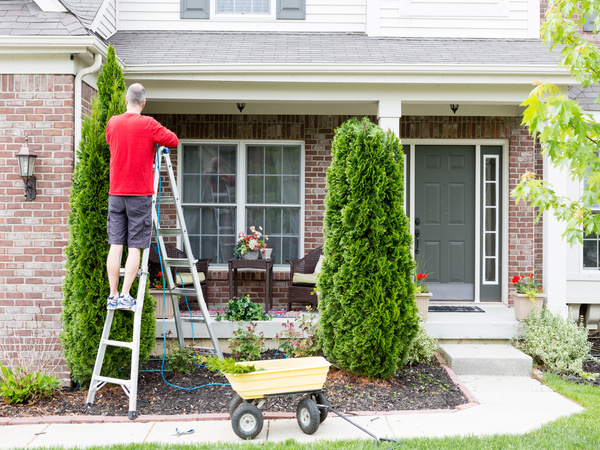
Use this July home maintenance checklist to keep your home cooler, safer, and more efficient during the hottest part of summer. July is one of the best months to give your home a mid-summer checkup. The weather is warm, air-conditioning systems are working hard, outdoor spaces are being used more often, and summer storms can put extra stress on roofs, gutters, landscaping, and drainage. A little maintenance now can help prevent bigger problems later. Whether you own your home, are preparing to sell, or simply want to keep your living space more comfortable, this July home maintenance checklist can help you stay ahead of seasonal issues. Your cooling system works hard in July, so this is a good time to make sure it is running efficiently. Start by checking and replacing the air filter if needed. A clogged filter can make your system work harder, reduce airflow, and affect indoor comfort. Walk through your home and make sure vents are open, clean, and not blocked by furniture, rugs, or curtains. If some rooms feel much warmer than others, it may be worth having your system inspected by a professional. Outside, clear away leaves, grass clippings, weeds, and debris from around the outdoor condenser unit. Good airflow around the unit helps the system perform better during hot weather. Summer heat can sneak in through small gaps around windows and doors. Check for worn weatherstripping, cracked caulk, or areas where warm air may be entering the home. Sealing small gaps can help keep cooled air inside and reduce strain on your air-conditioning system. This is also a simple way to improve comfort without making a major investment. If you use window air-conditioning units, make sure they are installed securely and sealed properly around the edges. Ceiling fans can make rooms feel more comfortable, especially when paired with air conditioning. In summer, most ceiling fans should rotate counterclockwise to push cool air downward. Wipe dust from fan blades, check for wobbling, and make sure fixtures are secure. A clean, properly working fan can help improve airflow and comfort in bedrooms, living rooms, and home offices. July is a smart time to test smoke and carbon monoxide detectors, especially if you are using grills, fire pits, generators, or other seasonal equipment more often. Press the test button on each detector and replace batteries if needed. Also check the expiration date on the unit itself. Many detectors need to be replaced after several years, even if they still appear to be working. This is a small task, but it is one of the most important items on any home safety checklist. Grills, patios, decks, and outdoor seating areas get plenty of use in July. Take a few minutes to inspect them for safety and cleanliness. Clean grill grates, check propane connections if you use a gas grill, and keep the grill a safe distance from siding, railings, and overhangs. Sweep patios and decks, tighten loose screws or railings, and look for cracked boards, uneven pavers, or tripping hazards. If you entertain outdoors, also check exterior lighting so guests can move safely after sunset. Summer storms can reveal drainage problems quickly. After heavy rain, walk around your home and look for standing water, clogged gutters, overflowing downspouts, or soil washing away near the foundation. Inside, check basements, ceilings, and around windows for signs of moisture, staining, or musty smells. Catching a small leak early can help prevent expensive repairs later. If your area experiences strong summer storms, it is also wise to check for loose branches, damaged shingles, or debris on the roofline. Gutters are easy to forget in summer, but they still matter. Leaves, seed pods, small branches, and storm debris can clog gutters and cause water to overflow near the foundation. Make sure downspouts direct water away from the house. If water is pooling too close to the foundation, consider adding downspout extensions or improving grading around the home. July is peak growing season in many parts of the country. Trim shrubs and trees away from siding, windows, walkways, and the roof. Overgrown landscaping can trap moisture, invite pests, and make a home look less cared for. Keep grass mowed, edge walkways, remove weeds, and refresh mulch where needed. For homeowners thinking about selling, these simple steps can also improve curb appeal. Warm weather can bring ants, mosquitoes, wasps, termites, and other pests closer to the home. Look for nests near rooflines, decks, sheds, and outdoor seating areas. Remove standing water from planters, buckets, birdbaths, and clogged gutters to help reduce mosquito activity. Seal small gaps around doors, windows, pipes, and utility openings where pests may enter. If you notice signs of termites, carpenter ants, or other wood-damaging pests, contact a professional rather than waiting. July utility bills can climb quickly. In addition to maintaining your cooling system, consider small steps that can reduce energy use. Close blinds or curtains during the hottest part of the day, especially on sun-facing windows. Use programmable thermostat settings if available. Run dishwashers, dryers, and ovens during cooler parts of the day when possible. These small habits can make a noticeable difference in comfort and efficiency. July home maintenance does not need to be overwhelming. Focus on the areas that matter most during summer: cooling, safety, moisture control, outdoor spaces, landscaping, and energy efficiency. A few hours of attention now can help your home feel cooler, safer, and more comfortable for the rest of the season. It can also protect your property value and make future repairs easier to manage. Taking care of your home is one of the simplest ways to enjoy it more. Whether you are staying put, preparing to sell, or planning future improvements, smart seasonal maintenance helps your home work better for everyday life. Looking for more ways to protect and improve your home this summer? Start with small, practical updates that make your space safer, more comfortable, and ready for the season ahead.Check Your Air-Conditioning System
Inspect Windows and Doors
Clean Ceiling Fans and Use Them Correctly
Test Smoke and Carbon Monoxide Detectors
Inspect Outdoor Cooking and Entertaining Areas
Look for Signs of Moisture or Storm Damage
Keep Gutters and Downspouts Clear
Manage Landscaping and Yard Growth
Watch for Pests
Review Your Home’s Energy Use
Bottom Line
July Home Maintenance Checklist for a Safer, Cooler, More Efficient Home