by Lisa Grant | Aug 25, 2026 | Uncategorized
Buying a home is an exciting milestone, but it also comes with important financial decisions. Whether you are purchasing your first home or looking for your next property, preparation can make the process easier and more manageable.
From understanding your budget to comparing properties, taking the right steps early can help you make a confident home-buying decision.
Start With Your Budget
Before looking at homes, determine how much you can comfortably afford.
Consider more than the purchase price. Your budget should also account for mortgage payments, property taxes, homeowners insurance, maintenance, utilities, and potential closing costs.
A realistic budget can help you focus on homes that fit your financial plans.
Get Pre-Approved for a Mortgage
A mortgage pre-approval can give you a clearer idea of your potential borrowing range.
Lenders typically review factors such as income, credit history, debts, and assets when evaluating a mortgage application. A pre-approval can also help you understand your estimated monthly payment before you begin making offers.
Keep in mind that a pre-approval is not a guarantee of final loan approval.
Think About Your Long-Term Goals
A home should fit more than your needs today.
Consider how long you expect to stay in the property and whether the home could continue to work for you as your circumstances change.
Think about features such as the number of bedrooms, workspace needs, storage, outdoor space, maintenance requirements, and overall layout.
Research the Property and Area
Once you find a home you like, take time to research the property.
Review available information about the home’s condition, age, major systems, property taxes, insurance considerations, and any applicable homeowners association fees or rules.
You can also research nearby transportation, shopping, recreation, schools, public services, and other amenities that are important to you.
Look Beyond the Listing Price
The listing price is only one part of the cost of buying a home.
Ask about potential repairs, maintenance, insurance, taxes, closing costs, and other expenses. A home with a lower purchase price may not always have the lowest overall cost of ownership.
Understanding the full financial picture can help you compare properties more effectively.
Schedule a Home Inspection
A professional home inspection can provide valuable information about the property’s condition.
An inspection may identify concerns involving the roof, foundation, plumbing, electrical systems, heating and cooling equipment, or other components.
The inspection does not guarantee that a home will have no problems, but it can help you better understand the property before completing the purchase.
Keep Some Savings Available
It can be tempting to use most of your available funds toward the down payment and closing costs.
However, keeping an emergency fund can be helpful after you move in. Unexpected repairs, maintenance needs, moving expenses, or other costs can arise.
Planning for these expenses can provide greater financial flexibility.
Take Your Time With the Decision
Buying a home is a significant commitment. Avoid making a decision based only on excitement or pressure.
Compare properties, review your financing options, ask questions, and consider how each home fits your budget and long-term plans.
The goal is not simply to find a home you like. It is to find a property that makes sense for your overall financial and lifestyle goals.
Work With the Right Professionals
A real estate professional can help you understand the buying process, compare properties, prepare offers, and navigate the transaction.
Mortgage professionals, inspectors, insurance providers, attorneys, and other qualified professionals may also play important roles depending on the transaction and local requirements.
Having the right team can help you move through the process with greater clarity.
The Bottom Line
A successful home purchase starts with preparation. Establishing a realistic budget, understanding financing, researching properties, and planning for future expenses can help you make a more informed decision.
If you are thinking about buying a home, taking the time to prepare now can make the journey smoother and help you move forward with confidence.

by Lisa Grant | Jul 23, 2025 | First Time Home Buyers, For Buyers
Purchasing your first home is an exciting milestone, but it can also feel overwhelming. It’s completely normal to feel nervous during this process. After all, buying a home is a huge financial commitment. Whether you’re excited about owning your dream home or feeling a bit uncertain, remember that feeling nervous is a natural part of the journey. Here’s why it’s okay to feel nervous and how to approach homebuying with confidence.
Why It’s Normal to Feel Nervous About Buying Your First Home
Buying a home is one of the biggest financial decisions you’ll ever make. It comes with a lot of responsibilities and unknowns, which can cause anxiety. Here’s why it’s perfectly normal to feel nervous:
1. It’s a Major Financial Investment
A home is often the largest financial purchase you’ll ever make. A mortgage typically lasts 15 to 30 years, and there are many other expenses like property taxes, insurance, and maintenance. It’s natural to feel some fear about taking on such a big responsibility.
2. The Process Can Be Complicated
The home-buying process involves multiple steps, such as securing financing, finding the right property, negotiating offers, and completing paperwork. If you’ve never done it before, it’s easy to feel overwhelmed by all the details.
3. Fear of Making the Wrong Decision
With so many factors to consider, it’s common to worry about making the wrong choice. You may be concerned about picking the wrong property, location, or even overpaying for a home. This fear of regret is one of the main sources of stress for first-time buyers.
How to Overcome Nervousness and Buy with Confidence
While it’s completely normal to feel nervous, you don’t have to let it stop you. Here are some tips to help you approach buying your first home with confidence:
1. Do Your Research
Knowledge is key. Before you start shopping for a home, educate yourself about the home-buying process, mortgage options, and what’s currently happening in the real estate market. The more informed you are, the more confident you’ll feel during the process.
2. Work with a Trusted Real Estate Agent
A real estate agent can be an invaluable resource. They’ll help guide you through the process, provide market insights, and assist with negotiations. Their experience will make the home-buying process smoother, and they’ll help you avoid common pitfalls.
3. Get Pre-Approved for a Mortgage
Getting pre-approved for a mortgage allows you to understand your budget and shows sellers that you’re a serious buyer. Having pre-approval in hand will make the whole process less stressful and help you focus your search on homes that are within your price range.
4. Think About the Long-Term
While it’s easy to focus on your current needs, think about how the home will fit into your life over the next 5, 10, or even 20 years. Consider factors like potential for future growth, resale value, and what kind of community you want to live in long term. This broader view can help ease your nerves.
5. Take Your Time
Don’t rush into a decision. Buying a home is a big commitment, and it’s important to feel confident with your choice. If something doesn’t feel right, trust your instincts and keep looking. There’s no need to settle on a house that doesn’t meet your needs.
6. Ask for Help When You Need It
Buying your first home doesn’t mean you have to do it alone. It’s okay to ask questions and seek advice from people you trust, whether that’s family, friends, or professionals like real estate agents and mortgage brokers. Having a support system in place can help reduce stress.
Embrace Your Nervousness—But Don’t Let It Stop You
Feeling nervous about buying your first home is completely normal, and it’s a sign that you’re taking the process seriously. The key is to not let those nerves hold you back. Take your time, educate yourself, and surround yourself with trusted professionals who can guide you through the process. With a little preparation and confidence, you’ll be well on your way to becoming a proud homeowner.
Buying your first home is an exciting journey, and while there may be a few bumps along the way, it’s one that will lead to lasting satisfaction and a place to call your own.
by Lisa Grant | Jul 20, 2025 | Affordability, Buying Tips, For Buyers
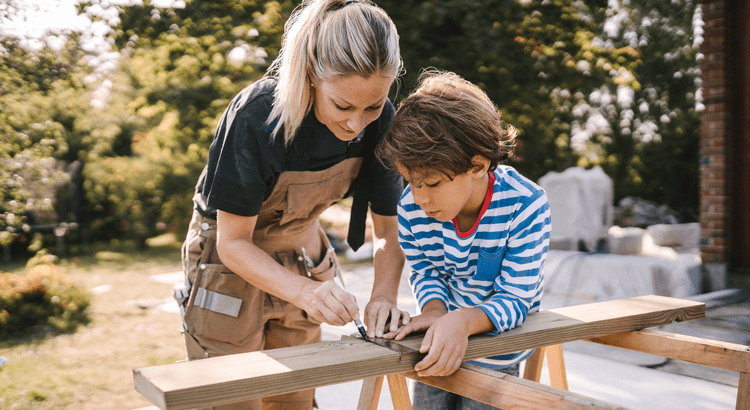
Buying a home is one of the biggest decisions many of us will ever make. Among the various options available, the “fixer-upper” is a popular choice for those looking to put their personal stamp on a property and potentially save on initial purchase costs. But is a fixer-upper the right choice for you? Before diving in, it’s essential to evaluate your budget, time, skills, and emotional resilience. Here are key factors to consider when determining whether a fixer-upper fits your needs and lifestyle.
1. Budget and Financial Flexibility
A primary advantage of purchasing a fixer-upper is the lower upfront cost compared to move-in-ready homes. However, while the purchase price may be cheaper, renovations can add up quickly. It’s essential to have a clear understanding of your budget and whether you can afford both the house and the renovation costs.
- Upfront Costs: Make sure you account for not only the cost of the home but also any immediate repairs or upgrades that may be needed before you can live in the property comfortably.
- Hidden Costs: Many fixer-uppers hide potential issues such as outdated plumbing, electrical problems, or structural damage. Always budget for these potential surprises, and consider getting a thorough home inspection before committing to a purchase.
- Financing Renovations: If you plan to finance the renovations, investigate renovation loans such as FHA 203(k) loans or HomeStyle Renovation loans that can help cover the cost of repairs.
2. Time Commitment
Renovating a fixer-upper is often a long-term project. If you need a home ready to move in right away, a fixer-upper may not be the best option. Consider how much time you can realistically devote to the renovations.
- DIY Projects: If you’re planning on doing the work yourself, be honest with yourself about your available time and skill level. Renovations often take longer than anticipated, and DIY projects can lead to setbacks, delays, and added stress.
- Professional Help: If you intend to hire contractors, keep in mind that it may take time to get estimates, schedule work, and wait for contractors to finish their jobs. Delays and unforeseen challenges can push back your timeline.
3. Skill and Experience
Not everyone is equipped to handle the extensive work required to renovate a home. If you’re comfortable with DIY projects and have some experience with home improvement, a fixer-upper may be a rewarding challenge.
- Assess Your Skills: Be honest with yourself about your abilities. Renovating a fixer-upper can involve everything from replacing flooring and painting walls to rewiring electrical systems or fixing plumbing. If you’re not confident in certain areas, it’s best to hire professionals.
- Know When to Call in Experts: Some repairs—particularly those involving electricity, plumbing, or structural integrity—require professional expertise. These can be costly but are necessary to ensure your safety and the home’s long-term value.
4. Risk Tolerance
Renovations can be risky. There are often unexpected challenges that arise once you start tearing down walls or discovering hidden problems behind cabinets and under floors.
- Unexpected Costs: Hidden mold, foundation issues, or outdated HVAC systems can significantly increase renovation costs. Always have a contingency fund set aside for unforeseen issues.
- Stress and Frustration: Renovation projects are rarely smooth sailing. There can be setbacks, delays, and stress along the way. If you’re someone who prefers a more predictable, hassle-free process, a fixer-upper might not be for you.
5. Living Situation
If you’re planning to live in the home during renovations, it’s important to assess whether you can handle the disruption.
- Move-In Ready vs. Work in Progress: Some people are comfortable living in a house while it’s being renovated, but others prefer to wait until the work is finished. If you need a home that’s immediately habitable, a fixer-upper may not fit your needs.
- Temporary Housing: If you can’t live in the home while it’s being renovated, you’ll need to factor in the cost and logistics of temporary housing. This could be additional rent or staying with family or friends, which can add to the overall cost and stress.
6. Long-Term Value
A well-renovated fixer-upper can be a great investment. With careful planning and execution, you can increase the value of the home significantly. However, it’s important to consider the long-term potential.
- Neighborhood and Market Conditions: Assess the neighborhood to ensure that the home’s value will rise after renovations. Renovating a fixer-upper in a location where property values are stagnant or declining may not offer the return on investment you’re hoping for.
- Resale Value: If you plan to sell the home in the future, consider how your renovations will affect the resale value. Make sure the improvements align with buyer preferences and the local market trends.
7. Emotional Resilience
Renovating a fixer-upper isn’t just about money and time—it can also be an emotional rollercoaster. You may experience excitement, frustration, and stress, especially if things don’t go according to plan.
- Patience and Perseverance: Home renovations can test your patience. If you thrive under pressure, have a positive mindset, and can handle setbacks, a fixer-upper could be a fulfilling challenge.
- Long-Term Satisfaction: Successfully completing a fixer-upper can bring immense satisfaction. The process allows you to put your personal touch on the property, but it also requires a level of emotional endurance.
Conclusion
A fixer-upper can be an excellent opportunity to create your dream home and build equity. However, it’s not for everyone. If you have the financial flexibility, time, skills, and patience to handle the renovations, it can be a rewarding experience. On the other hand, if you’re looking for a move-in ready home without the headache of constant repairs, you may want to explore other options. Carefully weigh the pros and cons to determine whether a fixer-upper is the right choice for you.
