
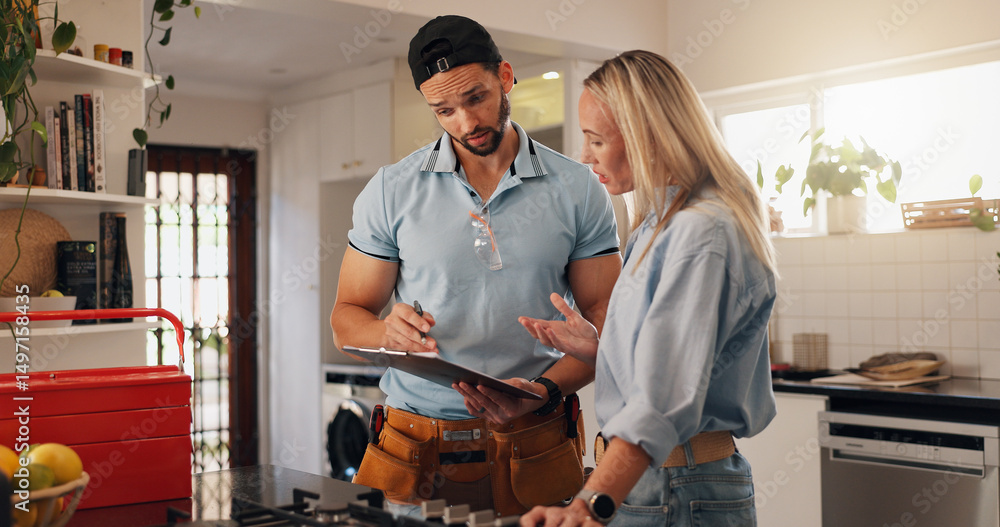
How to Choose a Home Inspector: A Smart Buyer’s Guide
Buying a home is one of the biggest investments you’ll ever make, and a professional home inspection is a critical part of that process. A good inspector can uncover hidden issues, help you make informed decisions, and even save you thousands of dollars in future repairs. But not all inspectors are created equal. So how do you choose the right one?
Here’s a guide to help you select a qualified, trustworthy home inspector—and protect your investment.
1. Look for Licensing and Certification
Start by checking whether the inspector is licensed in your state. While not all states require licensing, it’s a good sign that the inspector has met minimum standards for training and ethics.
Beyond licensing, look for certifications from reputable organizations like:
- American Society of Home Inspectors (ASHI)
- International Association of Certified Home Inspectors (InterNACHI)
These groups require inspectors to follow strict standards and continue their education. [homeinspector.org]
2. Ask About Experience
Experience matters. An inspector who has been in the field for several years is more likely to spot subtle issues and provide a thorough report. Ask how many inspections they’ve completed and whether they specialize in certain types of homes (historic, new construction, condos, etc.).
For a deeper dive into what to ask, check out Home Inspection Insider’s guide. [homeinspec…nsider.com]
3. Review Sample Reports
Before hiring, ask to see a sample inspection report. A good report should be detailed, easy to understand, and include photos. It should clearly explain any issues found and suggest next steps.
If the report is vague or filled with technical jargon, that’s a red flag. You want clarity, not confusion.
4. Ask the Right Questions
Interviewing your inspector is essential. Here are a few questions to ask:
- What does your inspection cover?
- Are you insured?
- Can I attend the inspection?
- How long will it take?
- Do you offer additional services like radon or mold testing?
You can find a full list of smart questions in The Close’s article. [theclose.com]
5. Check Reviews and References
Online reviews can offer insight into an inspector’s professionalism and thoroughness. Look for consistent positive feedback on platforms like Google, Yelp, or industry-specific sites. You can also ask for references from past clients.
If an inspector hesitates to provide references, consider it a warning sign.
6. Don’t Shop Price Alone
While it’s tempting to choose the cheapest option, price shouldn’t be your only consideration. A thorough inspection is worth the investment. Focus on value, not just cost.
Zillow’s guide explains why comparing inspectors based on price alone can be misleading. [zillow.com]
Final Thoughts
Choosing the right home inspector is one of the most important steps in the buying process. A qualified, experienced inspector can give you peace of mind and help you avoid costly surprises. Take your time, ask questions, and do your research.
If you’re preparing to buy a home and need recommendations for trusted inspectors in your area, I’d be happy to help. Let’s make sure your next home is a safe and sound investment.